
Featured

WELCOME TO VATA SEASON

For Ayurveda, there are three primary energies, the Doshas, ​​which are the foundations of individual constitutions: Vata, Pitta, and Kapha.

The seasons also have an energy that predominates over the others and in Autumn the main Dosha is Vata.
We can describe Vata through some characteristics: dry, light, cold, and inconstant and the associated elements are Air and Ether.
Regardless of our constitution, in this period, it is useful to follow some indications dedicated to Vata, since the element of Air is predominant and can affect our well-being. In fact, the leaves on the trees dry out, so our skin can also appear more dehydrated; the vegetation begins to creak under our feet, as well as our joints will produce a few more noises. Furthermore, it is normal to feel more tired, our body is adapting to the new climate and this requires a lot of energy.

What can you do during Vata Season/Fall Season?

Due to Vata’s association with the nervous system, its state is often reflected in our mental health. With the abundance of Vata energy circulating during the fall season, our bodies and minds can be overwhelmed and unbalanced.
During this time of year, you may feel unstable, and baseless. Since we cannot change seasonal climate change, we can maintain internal balance by adapting our lifestyles to counteract nature’s predominant Vata energy.
We do this by incorporating yoga postures, food, and lifestyle choices which naturally contain the opposite qualities of the Vata dosha.
The Yoga practices of these days have to be dedicated precisely to giving balance and harmony to our body.

Keep reading, and I give you some advice!

The Yoga practices: give balance and harmony to our bodies.
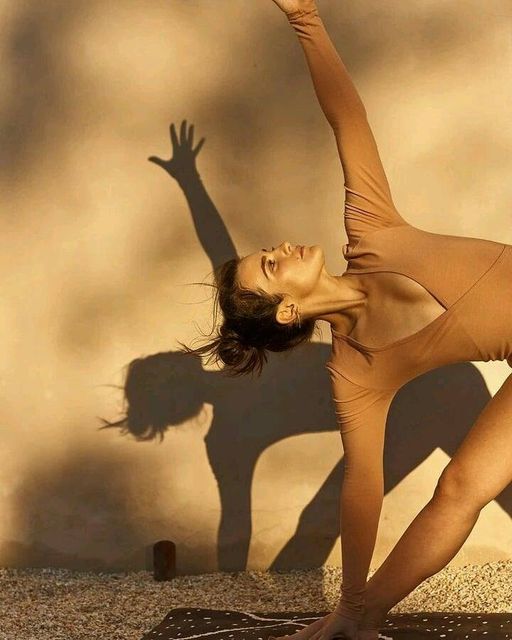
The practice of yoga in Autumn must be adapted to climate change and the new needs of the body. In fact, we need to warm up adequately to avoid getting hurt while performing the asanas.
During the practice try to pay your attention to when you enter and exit each asanas, this is where you find your harmony.
Move with grace and elegance.
In this period we don’t forget Savasana, and when it is possible we can extend it up to 15/20 minutes.

Balancing the Vata energy: PRANAYAMA
Calming Breathing: Sama Vritti Pranayama
Defined the breath that calms the fluctuations of the mind (Vritti), also known as the technique of square breathing. Very simple, but very effective, you can bring it into your daily life whenever you feel the need to center yourself.

How to do it:
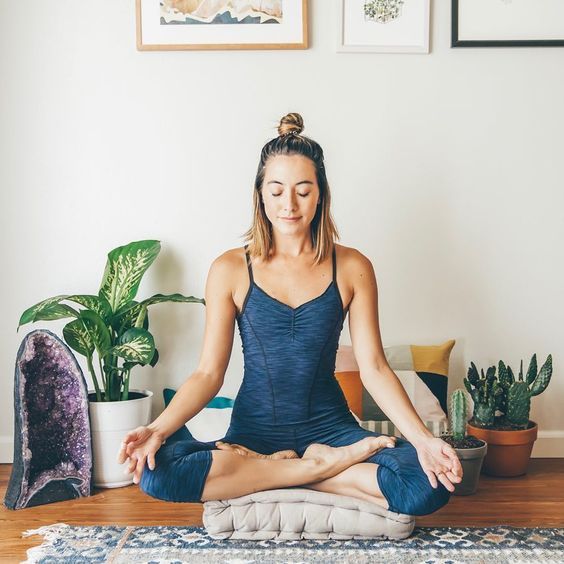
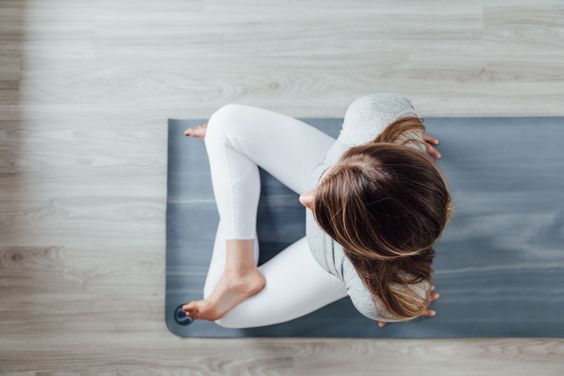
Take a comfortable position, possibly sitting.
You can place a hand on the abdomen and begin to perceive, without forcing, how the navel moves forward when you inhale and towards the spine when you exhale.

Become aware that the natural breath is made up of 4 moments:
1. the inhale (puraka)
2. a moment of pause in which our lungs are full of air (antara kumbhaka, full lung retention)
3. the exhale (rechaka)
3. another moment of pause in which the lungs are empty (bahya kumbhaka retention with empty lungs).
To be sure that all phases have the same duration, we can help each other by counting. We start with 4 seconds on each side: 4 seconds we inhale, 4 we hold, 4 we exhale and 4 again we hold.

Balancing the Vata energy: AFFIRMATION
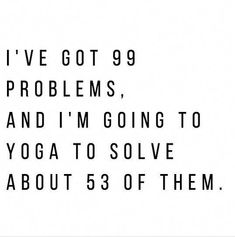
– I welcome autumn with an openness to all the exciting changes it will bring to enrich my life.
– This new season will bring joy, opportunity, excitement and peace to my life.
– As the Autumn leaves fall to the ground, I will also release some stress.
– Autumn brings a beautiful renewal and transformation to my body and mind.
-I give myself permission during this new season to take care of myself and my well-being.
– Autumn is filled with peace and incredible possibilities for my future.

Balancing the Vata energy: FOOD

It’s important to have three meals a day, preferably at the same time each day, and make sure you sit down while enjoying your food. Like all other lifestyle choices around this time, establish a routine around eating.
Here are some ideas:
– Eat lots of hot soups.
– Choose hot, cooked and moist foods. Avoid raw vegetables and salads, as they cause vata.
– Drink a warm herbal tea made from fresh ginger, cardamom, and cinnamon. – – This will warm the body and improve circulation and digestion. If not, try to drink a hot drink.
– Eat root vegetables to improve your connection with the Earth.
– It is therefore possible to add spices such as cinnamon and cardamom in the preparations to increase the beneficial effect of the foods we cook.
– Sweet, salty and sour tastes calm the vata. It is therefore possible to add spices such as cinnamon and cardamom in the preparations to increase the beneficial effect of the foods we cook.
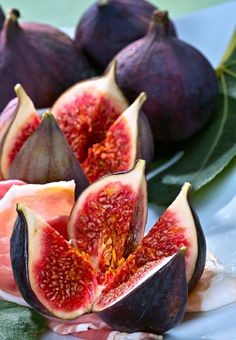
– Go to shop at your nearest farmers market and buy only seasonal vegetables and fruits. If you live in Alba, as I do, you can buy white truffles.

Balancing the Vata energy: ABHYANGA
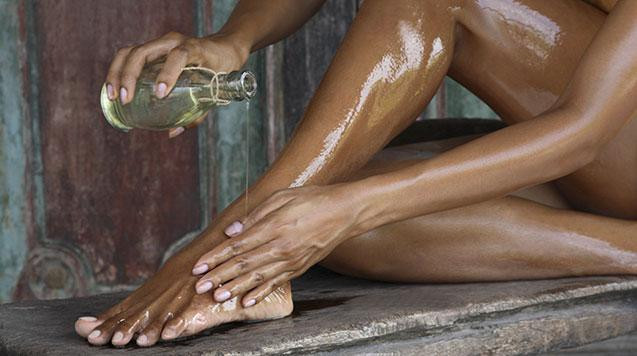
For your oil: Sesame oil is recommended for the colder months. Make sure the oil you use is organic, unrefined and cold-pressed.
Start by slightly heating the oil by holding a small amount (1 tablespoon) in a glass container and holding it under hot water for a few minutes.
Apply a little warm oil on your hands and massage the whole body for 5-10 minutes, applying even pressure with the palm and fingers. Apply lighter pressure to sensitive areas such as the upper torso, breasts, heart and abdominal area. When you are massaging the abdomen, start on the right side (from your perspective when looking down) and then make an up, down and down motion turn on the left side. This supports the natural path of digestion.
Next, massage the soles of the feet, the palms of the hands and the base of the nails, where there are many nerve endings. Don’t forget the face, ears and neck.
In the shower, use the soap on your private parts and underarms. Avoid excessive use of soap, as it can strip the skin of moisture and coconut and other oils have antibacterial and cleansing properties. After drying, you will find a thin layer of oil on the skin. This will help your skin stay hydrated and protected, keeping muscles warm throughout the day.
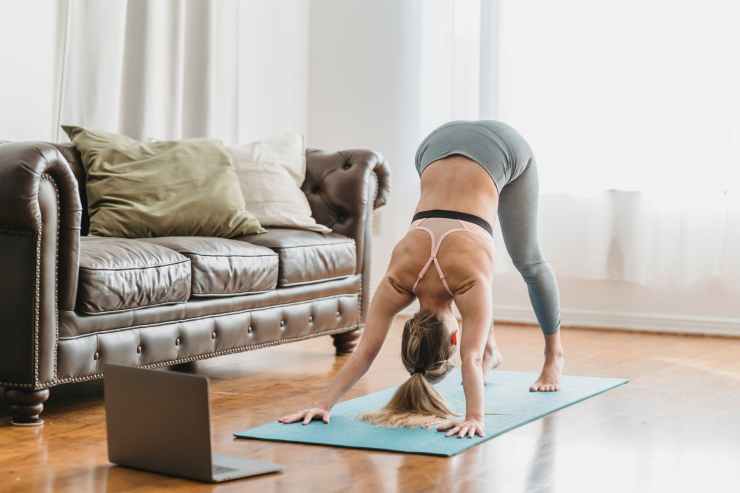
TAKE A VACATION FROM YOUR STRESS
Roll out your yoga mat!
Your yoga mat is a place to: explore, investigate, grow, love, laugh, accept ..and relax.
I’ll be on my mat if you need me, let me guide you. Choose your practice!

Featured

WHY VINYASA YOGA FEELS SO GOOD?

You know you love your flow class, but did you ever think about WHY it feels so good? My Reasons to Practice Vinyasa Yoga?


Vinyasa yoga addresses the stiff culture we live in.


The Western world has become a seated society, which is why vinyasa yoga is so important: its orientation is breath, and movement in a seated society is absolutely essential for health. Vinyasa yoga gets us moving! Right?


Vinyasa yoga trains the mind.

We are able to focus on many things at once. Step by step we expand the mind with the practice. Without proper training, the mind jumps all over the place, distracting us from working on the parts of our beings that will actually help us evolve. Vinyasa yoga gives us the ability to process what the practice brings up to the surface — the joyful stuff and sometimes the uncomfortable ones.


Vinyasa yoga teaches us how to heal.


Inside the muscles, we hold the memories of every emotion we’ve ever experienced: sadness, fear, anger, etc. Through the asanas, we can tap into these memories and process our pasts. It’s the asanas that release the emotions out of the body. Being a yogi really means engaging in the process of healing: mentally, emotionally, and physically.

It pushes you to your limits.

This style can seriously push your physical limits. This style incorporates elements from all schools of yoga, so even if you’ve mastered those Iyengar standing poses, you’ll find yourself in all new territory when the instructors throws in a Anusara inversion. You’ll push the limits of your strength, flexibility, and balance with Vinyasa yoga. The only ‘break’ you’ll get is in resting poses like Downward Dog, which will lead right into another, more challenging pose.

It’s perfect for beginners.

It’s easy to find classes tailored specifically to beginners that will still provide a healthy challenge. This style is also a great way to learn the basics of pranayama, or yogic breathing, since the instructor will tell you when to inhale and exhale during each pose.

Vinyasa is fun!

With the flowing movements and great music usually playing, this style feels like a dance! There is no better feeling than seeing yourself flow into the perfect warrior pose.

What do you love about Vinyasa yoga? Let me know in the comments!
Practice with Me anytime you want with great music ! It’s so much fun.

TAKE A VACATION FROM YOUR STRESS
Roll out your yoga mat!
Your yoga mat is a place to: explore, investigate, grow, love, laugh, accept ..and relax.
I’ll be on my mat if you need me, let me guide you. Choose your practice!
Find Your Zen in Nature

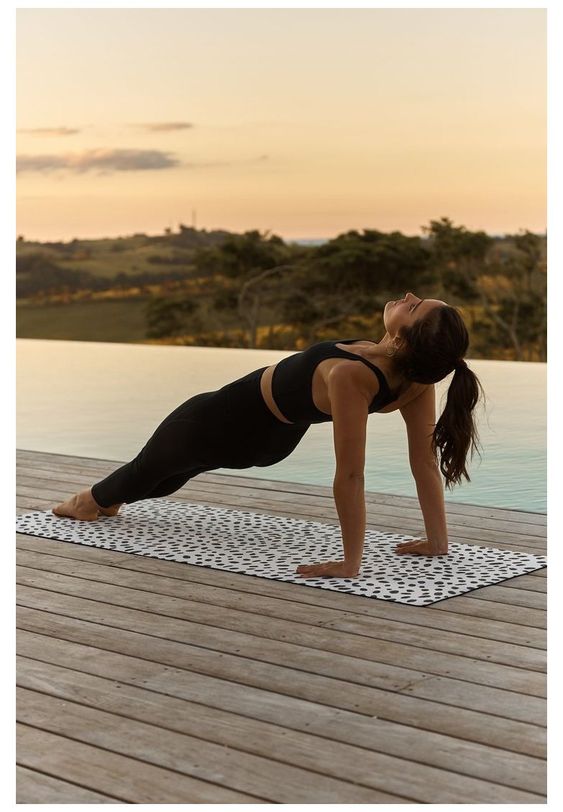
Get your ass-ana outside!.It’s almost summer, so it’s time to get your ass-ana outside! Spending time in nature is known to have profound effects on our physical and mental well-being. Combine that with your yoga practice and you have yourself a yogi euphoria.

You’re probably used to doing Downward Dog in a yoga studio or in the privacy of your own living room a lot latetly. And while both of these scenarios have their benefits, there is nothing quite like practicing yoga outside in nature.

Whether it’s on a deck, a patio, or on the grass, yoga in the garden offers many benefits that just can’t be experienced indoors. If you’re interested in moving your yoga practice outdoors but need some convincing, I’ve got you covered.

Garden yoga engages your senses. 

Studies show that when two or more of your senses are engaged, relaxation follows. The feel of the sunshine on your shoulders, the scent of the flowers, the chirp of the birds all work together to release tension and let you deeper into your practice.

It challenges your practice. 

Any time you change up your routine and remove yourself from your comfort zone, there is an opportunity for growth. Practicing yoga outside on slightly uneven ground challenges your core to fully engage, for example, getting into Tree pose underneath the leafy canopy of an oak tree just may open up a new way of experiencing your body, mind, and spirit. Infact, many yoga poses gained their names from plants and animals. Practicing yoga outside allows the yogi to embody the sense of the pose while actually looking at what inspired that pose.

Outdoor yoga creates mental alertness.

As much as nature relaxes us, it also creates heightened awareness. While practicing yoga outdoors, your brain is reminded that it’s in its natural environment, and begins to reset itself to be more alert, leading to feelings of energy and vitality. I’d say that feeling relaxed while being alert and energetic is the definition of Balance.

It can positively impact your brain and hormone levels. 

Feeling stressed? You can thank the stress hormone cortisol for that. But the good news is that levels of this hormone decrease when you expose yourself to an outdoor environment rather than a concrete-clad urban one. And if that didn’t convince you, consider this: Research shows that meditation and other activities like yoga that have a meditative quality actually decrease your amygdala, the part of your brain that does the fight-or-flight thing.

Feel connected.

Phisically moving our bodies and engaging with nature as it surrounds us inspires a sense of connection to the earth. Grounding is the scientific concept of receiving the Earth’s surface electrons through the physical connection between skin and the ground. Reconnecting our bodies with the earth has many benefits including reduced pain and better sleep.

Less stress, increased relaxation, a strengthened yoga routine, and mental awareness — who knew yoga in nature had so many benefits? Now, you do!

Do you like to practice outside? What’s your favorite thing about an outdoors practice? Share in the comments below!

The 5 Best Yoga Breathing Exercises

Whether you are an advanced yogi or a beginner you can practice Pranayama, which is the regulation of the breath through certain techniques.

5 Pranayama Tecniques

Working with the breath is a yogic technique that can completely change your life.  Pranayama is a Sanskrit word that means “extension of the prana (breath or life force).” It also means, “breath control.” When you control the breath and consciously regulate the flow of life force within your body, amazing things can happen. Here are 5 of the best yoga breathing exercises that you can do on or off the yoga mat. Remember, you don’t have to be a yoga expert to give any of these exercises a try.

Lion’s Breath

Do you need a quick burst of energy? Lion’s breath should be your go-to exercise! This simple breathing exercise is also used to strengthen the fine muscles of the neck and face, making it a natural yogic face-lift. Lion’s breath is also a very simple it’s perfect for complete beginners or children.To begin, follow these steps:Exhale all of the air out of your lungs.Inhale deeply through your nose, tilt your head back slightly, and open your mouth super wide and stick your tongue out while exhaling loudly.Feel free to roar like a lion when exhaling! The audible release is what makes this breathing exercise powerful.Do you need a quick burst of energy? lion’s breath should be your go-to exercise! This simple breathing exercise is also used to strengthen the fine muscles of the neck and face, making it a natural yogic face-lift. Lion’s breath is also very simple it’s perfect for complete beginners or children.

The 4-7-8 Breath

The 4-7-8 Breath: is great for beginners and is very calming. It’s a great option for those who are prone to anxiety. To begin, sit or stand with your back straight. If you are able to sit down and elevate your hips above your knees with a blanket. You can also sit with your back against a wall if you really want to feel supported.While breathing in, keep your tongue poised just against the gum line on your front teeth, and be sure to inhale through your nose and exhale through your mouth.Exhale completely making an audible sigh (you can exhale more quietly if you’re in public). Close your mouth. Inhale through the nose and count to four.Retain the breath and count to seven.Exhale through the mouth and count to eight. This completes one cycle of the breathing exercise. This powerful breathing exercise is a natural tranquilizer for the nervous system.

Alternate Nostril Breathing

Here is another common yogic breathing exercise. This breathing exercise is safe for yogis of all levels and ages, so it is a common addition to the beginning of many yoga classes. This breath is perfect for calming your nervous system while simultaneously giving you lots of energy. This breathing exercise clears the channels of the body and makes your brain perk up as if you just had a cup of coffee! For that reason, you probably do not want to practice it before bed.

Sit on a folded blanket or a pillow so that your hips are elevated above your knees and your back is aligned with it’s natural curves. You can sit against a wall for extra support.

Take your dominant hand and fold your middle finger and index finger down. Your hand will look a little bit like a “hang loose” sign.

Close one nostril with your thumb, then inhale deeply through the nose.

Pinch both nostrils shut using your thumb and other 2 fingers.

Retain the breath for just a moment (i use to count 4, then release the thumb and exhale completely.

Repeat this for up to 5 minutes if needed.

Ujjaayi Breath

If you have ever been to a Vinyasa yoga class, you have ikely heard the teacher mention ujjayi breathing. Perhaps you have even heard other students doing it! “Ujjayi” is a Sanskrit word meaning “the ocean breath.”

Both the exhale and inhale should be through the nose. Inhale deeper than usual. Exhale slowly and contract your throat muscles. The exhale should sound like a gentle “HAAAAH.” The breath should be so subtle it will likely only be audible to you.

Three-Part Breathing

This breathing exercise is beneficial for “insomnia, anxiety, stress, and frustrating situations.” It’s also very easy to practice both on and off the mat. Three-part breathing also calms your mind and muscles, so you can do it safely before bed.

Sit in a comfortable position or lay down in constructive rest with the knees bent. Place one hand on your chest and the other on your belly.

Inhale into your upper chest, and then expand the air into your belly. Your belly should feel like a big balloon.

Exhale from the belly first, then the upper lungs.

Repeat as needed. Be sure that the breath is smooth and comfortable.

TAKE A VACATION FROM YOUR STRESS
Roll out your yoga mat!
Your yoga mat is a place to: explore, investigate, grow, love, laugh, accept ..and relax.
I’ll be on my mat if you need me, let me guide you. Choose your practice!
Unleash your creative potential with yoga

How do you tap into that truly transformative energy of creativity? 

We get blocked by dead-end career paths, robotic daily routines, or too much drama in our relationships without the momentum to make change. That’s because we can’t flow toward the life we want. So how do you tap into that truly transformative energy of creativity?

Via the chakras, first mentioned thousands of years ago in sacred Hindu texts called the Upanishads. Described as interconnected nodes within the subtle-energy body, the chakras run along your spine and essentially map to your endocrine and hormonal systems. It’s the second chakra, SVADISTHANA, that holds the key to unlocking and release the energy you need to make changes. Energetically, the second chakra rules creativity, emotions, joy, enthusiasm, and sensuality. It’s located near your sacrum and hips, below your navel. When Svadisthana energy is in balance you can access feelings of abundance, joy, and pleasure, and clear the way for creative energy to flow freely.

However, when it’s blocked, by emotional trauma or chronic stress, you are unable to connect with your passions. You also tend to try to control everything. You might be unable to embrace deep self-love. Physically, the body can manifest the imbalance as unexplained lower-back pain and tight hips.

My inner nature is endlessly creative and the source of true joy.

Affirmation to unlock the second chakra

Our predominantly desk lives can easily imbalance the second chakra. We sit more, and for longer periods, than ever, resulting in restricted hips that inhibit the second chakra’s creative energies to flow. One of the most accessible ways to find second chakra balance is through asana. Yoga’s physical postures allow prana to flow, activating energy.

When the second chakra is balanced, you can meet challenges with curiosity and playfulness, rather than letting your emotions carry you away.

In my experience, a hip-focused yoga practice can release discomfort. However a hip-opening practice can make us feel vulnerable. If that applies to you, bring your awareness to your breath to find a grounding sense of stability as you practice. During this kind of yoga practice I always say to my student to pay attention as you move through the practice to see where you encounter resistance, then use your breath to soften that resistance.

I want to share with you a yoga practice designed to help you spark svadisthana and tap into your creative potential. A practice to go inward and invite new spaciousness into the body and heart; to massage, open, and lubricate the hips for maximum comfort, and ultimate transformation. With the flowing movements and great music usually playing, this sequence feels like a dance! There is no better feeling than seeing yourself flow into the perfect warrior pose. I create this amazing 3 days yoga experince to do LIVE from your home. Or you can book a practice with me to help you boost your creativity.

BOOST YOUR CREATIVITY
Roll out your yoga mat!
Your yoga mat is a place to: explore, investigate, grow, love, laugh, accept ..and relax.
I’ll be on my mat if you need me, let me guide you. Choose your practice!
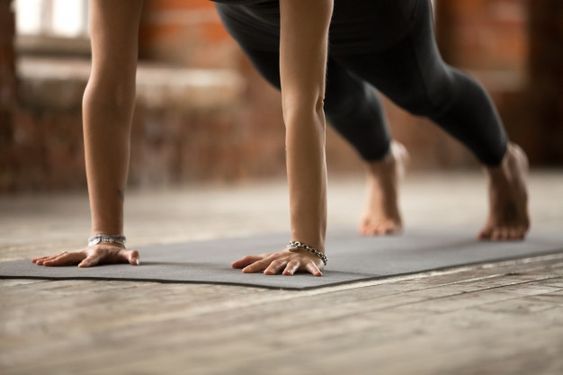
Healthy Body Yoga

How to Boost Immunity by Practicing Yoga with @theviviyoga

Do you consider yoga as a tool to boost your immune system? 

We come to yoga for lotS of reasons reasons: stress relief, increased flexibility, mobility, or strength, for spiritual connection.

Many don’t know that practicing yoga can help boost immunity. A regular yoga practice – along with certain yoga poses – can support and boost the immune system. 

Stress is one of the leading causes of sickness, and when we’re chronically stressed, the deep tissue that surrounds our organs, muscles, bones, tendons, and ligaments (called fascia) is compromised. Because fascia is made up of nerves, we need to move and stretch our body. By stretching and moving, we release the stagnant energy within our cells, allowing it to remove the harmful toxins in our bodies. Also blood needs oxygen to keep the body healthy and aid in cell growth. Breath-work gives our blood the boost of oxygen required to generate new circulation. When doing asanas (yoga poses) and pranayama breathing, we’re helping this circulation process, which leads to a stronger immunity system.   What this means is that yoga helps keep you and your cells healthy even when you’re stressed. This is due to the fact that yoga reduces stress systemically in the body, which reduces inflammation overall. Less inflammation means that your body is working and defending itself the way it should be.

By incorporating yoga into our routines, we can significantly strengthen our body’s ability to combat sickness.  With yoga, there is no excuse of bad weather as it can be easily done at home. All you need to do is roll out your yoga mat and begin your practise of asanas, pranayama or meditation.

Let’s explore five yoga poses for immunity to help your body help itself.

5 Yoga Poses to boost your immune system

1. Sitting and Breathing (Sukhasana and Pranayama)

Sukhasana allows for optimal breathing and movement of “prana” (life force energy) throughout the body. Allowing yourself to relax and breathe deeply can help reduce stress hormones, heart rate, and nervous system distress (which all supports strong immunity).

Tips for your practice:

  • Find a comfortable seated position with your legs crossed.
  • Stack your shoulders over your hips, head over your shoulders, and slightly tuck the chin so the crown of the head reaches tall
  • Stay for as long as it feels good but at least 10 deep breaths

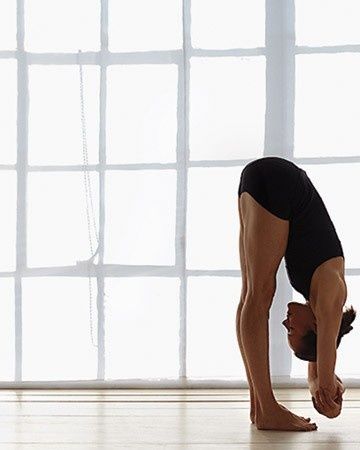
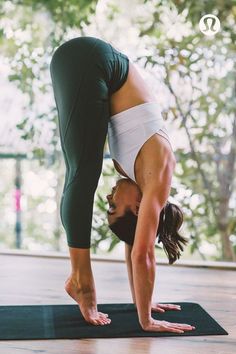
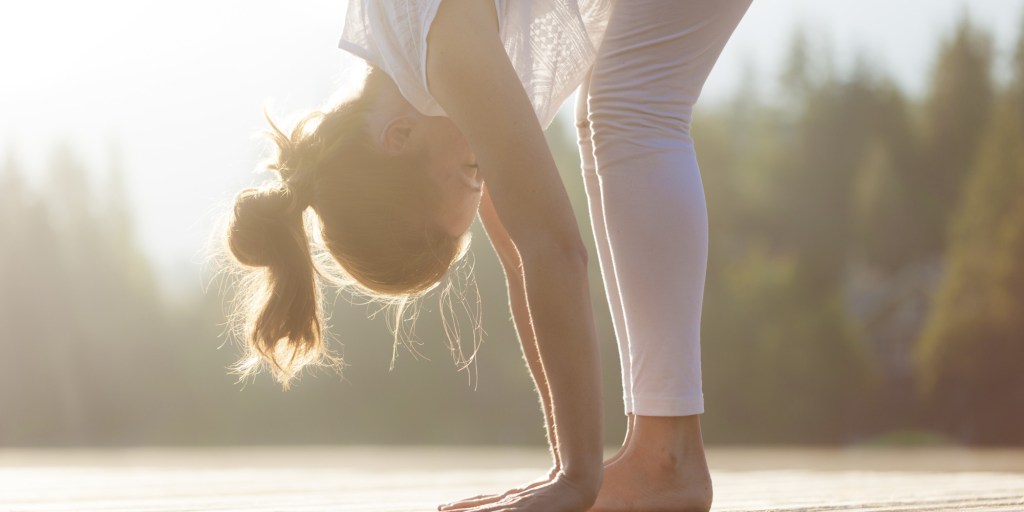
2. Forward Fold (Uttanasana)

Forward Fold is the perfect gentle inversion to boost immunity. Forward bends bring prana and blood flow to the sinuses, which can help ease congestion. Sinuses and our mucus membranes are our body’s first line of defense against infection, so keeping them healthy!

Tips for your practice::

  • From standing, bring your feet hip-distance apart
  • Slowly hinge at the hips and keep a bend in your knees as you come into a gentle forward fold
  • Allow your hands to rest on the floor
  • Stay here for 5-10 breaths or as long as feels good
  • When you come out of this pose, roll yourself slowly to standing to prevent any dizziness

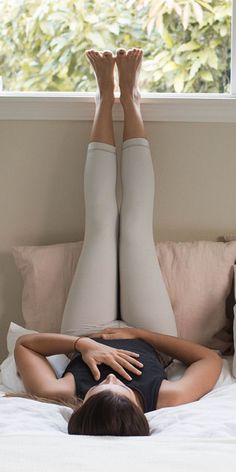
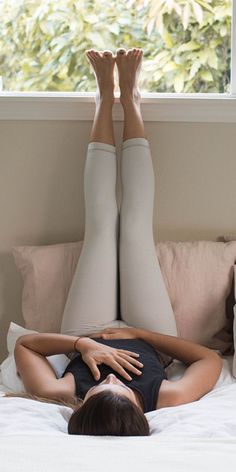
3. Legs Up the Wall (Viparita Karani)

Legs Up the Wall is one of the most relaxing yoga poses for your whole body. It allows lymph drainage, blood circulation , and helps you feel grounded, so your nervous system can completely relax and reset.

Tips for your practice:

  • Sit about 3 inches away from an empty wall
  • Lie onto your back and swing your legs up onto the wall, so the back of your thighs rest against the wall (you can scooch a little closer if needed)
  • Stay here for 1-10 minutes and breathe deeply

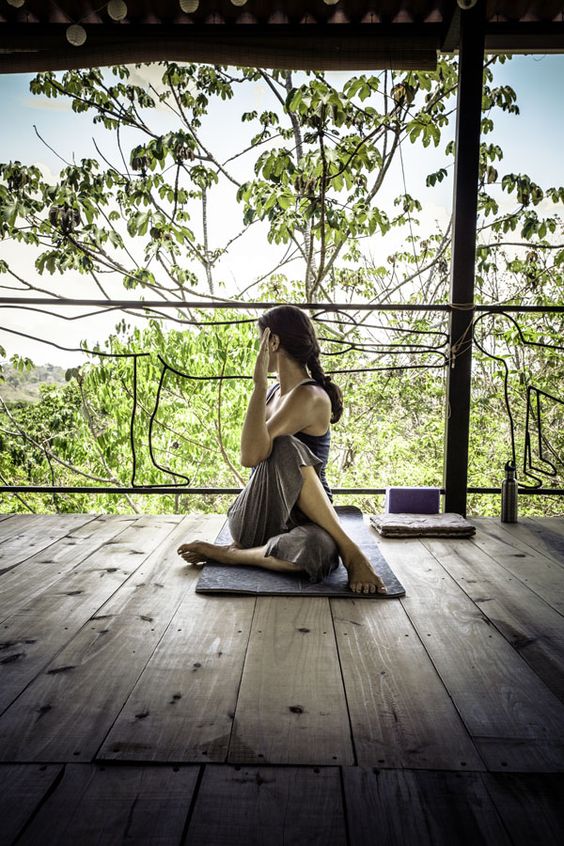
4. Half Lord of the Fishes (Ardha Matsyendrasana)

The theory behind twists helping our immunity is that improper digestion causes toxins to build-up. These toxins send the body out of balance and have the potential to create inflammation. Yoga poses that gently compress, twist, or stimulate the stomach can help with digestive issues.

Tips for your practice:

  • Sitting with your legs straight out in front of you, plant your right foot on the outside of your left leg so the sole of your right foot is on the mat
  • Keep the extended left foot flexed. Option to cross the left foot under the right leg and near the right hip
  • On an inhale, plant your right palm directly behind your low back and bring your left elbow to the outside of your right knee
  • Inhale to lift and lengthen your spine, exhale to twist and shift the gaze over the right shoulder
  • Stay for 5 breaths on each side

5. Belly breathing (Pranayama) 

Belly breathing helps to strengthen the digestive system.  About 80% of your immune system is located in the folds of your digestive tract. Engaging the diaphragm by breathing in this way causes it to massage the internal organs and glands, which in turn helps move fluids containing the immune system’s white blood cells.A yogic breathwork-based study published in the Public Library of Science found that controlled deep belly breathing may also strengthen the body’s defenses by changing the gene expression of certain immune cells. Yogis have long known that the practice of voluntary breath control helps strengthen and purify the body so we can feel better and more energized. 

Tips for your practice:

  • You know you’re belly breathing when our lower belly expands outwardly when you inhale, and contracts inwardly when you exhale. 
  • Sit in Sukhasana for 1-10 minutes and breathe deeply

Take time during fall season (or any stressful season) to find the right remedies that work for you and your body. Find time to move, linking breath with movement and finding the right postures that work for you. Notice how you feel before and after your chosen asanas, and listen to your body, noticing how it responds in the long term.

Let’s practice yoga together.

This article and all included information is not intended as medical advice and does not treat or diagnose. Please consult with your healthcare provider for any health-related questions or concerns.

6 Steps to make yoga a regular part of your life

How do you give yourself the best chance of creating a yoga habit and making it stick?

It’s September, time to create new habit. Try these steps for building a consistent practice, even when interferences inevitably arise. Here are a simple six steps to get you started.

1. Start small

Whether you’re new to yoga or are recommitting to your practice after a break, give yourself time to create an habit. If you’re looking to (re)commit to a daily yoga practice, perhaps begin with five or ten minutes a day for the first week and slowly build that time up. Even if you spend 5 minutes with your legs up on the wall focusing on your breath – great! Those 5 minutes of conscious awareness may just be the most beneficial minutes of the entire day.

2. Set an intention

Pausing for a moment to set an intention for your practice allows you to tap into the current of bliss that exists within all of us. There are a lots of reasons to practice yoga but they need to resonate with you and fit in with your lifestyle. your intention has to be powerful enough to motivate you when life gets in the way … which it will! Create your own Mantra: Today I choose…take a big deep breath and keep going with your yoga practice.

3. Choose consistency over perfection

Habit-building isn’t an all or nothing task – it’s an ongoing process. We’re all unique and the time we take to form a habit will differ for everyone. If you fall out of the wagon, miss a day. Don’t worry! My advice is to take it one day at a time: every day is a new possibility.

4. Create a ME-time

Give yourself a much needed time for yourself. It’s such a wonderful gift. It might be sound like a paradox but when you give you the time to spend by yourself then you’ll be able to connect more with other. Yoga can be it!

5. Remember Why

Remember why it is you’re making this change and remind yourself regularly the benefits. Reading books, articles or inspirational blogs on the subject, writing your own reminders down to motivate yourself can all help to keep you focused on the bigger picture.  The main reasons why we practice: to change our experience of how energy moves in the body.

6. DIY Yoga Studio at Home

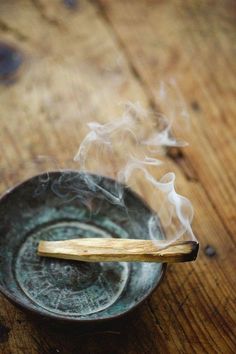
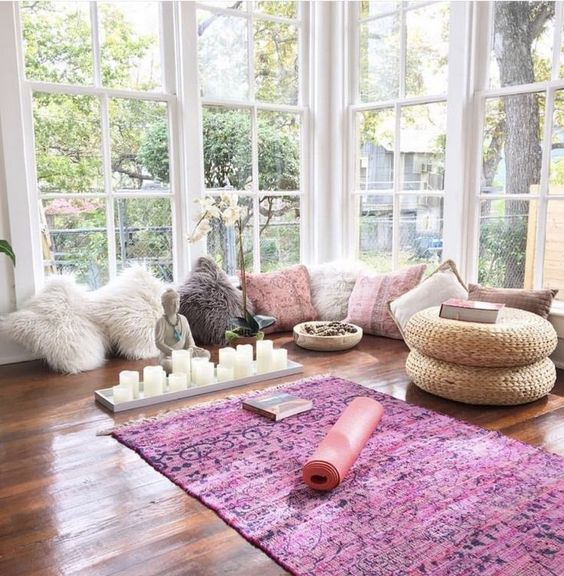
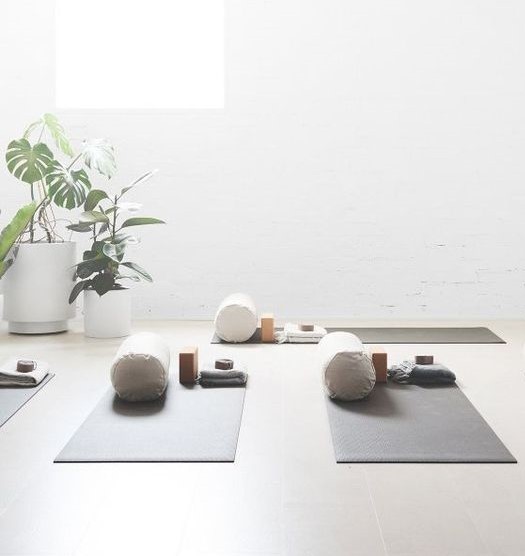
Create Space for a dedicated Home Practice. You don’t need fancy props or don’t even need a mat. I usually create space in my living room if I want to practice a vinyasa flow to have more space. If I want to practice Yin Yoga I usually do in my bedroom because it gives me a sense of coziness. First I light some candles and some palo santo steak. I use essentials oils as lavander or breathe of doTerra to help me relax and breathe more deeply. As props you can use some pillows, towels and big book if you don’t have a block. I love to practice with music. Music often leads my practice. I create few playlists in Spotify: Yoga practice from the HeartYoga Gentle flowViviYoga 60″ flow. Remember the most important part is show up for yourself.

7. Join the Community

Yoga provides you with an instant community of fellow yogis. “People become friends for life.” It’s really about sharing your experiences with others. A local class or a yoga class live @home with a teacher there’s a real bond that spreads among a group of yogis who’ve chosen the same type of experience.

See also Your practice reflects your life

Try My Practice 

Prior to beginning, I utilize movement such as walking or a gentle stretches. Movement helps me shift my energy into a state more receptive to my practice. If you need a help to get you started, I designed a Mini Course for beginners: 5 practices of 60″ to introduce you to the practice of Hata yoga and Vinyasa Yoga.

Be part of our community.

DIY Yoga Studio at Home

Need strategies for staying calm, balanced during the lockdown?

I’ve got you covered. Here, find some tips for building safe sequences, creating a practice space, playlist of music to listen to and finding some peace of mind.

Don’t know where to start when you unroll your mat?

Learn how to plan a balanced home practice. Knowing which poses to do right now, for today’s session, is one of the most concrete challenges of a home practice. To create a satisfying practice that you approach with enthusiasm, first you have to answer this next question for yourself: What do you really need from my practice today? How do I feel today? What do I need today? If you are very tired you might choose a restorative practice. At the least, you might start with resting poses and then see where the practice leads you. If you feel restless and energetic at the beginning of your practice, you might use a more vigorous session to channel that energy. My personal advice is always to go with the flow, listen to your needs and find what feel good. I love to start with some pranayama practice to calm my mind and listen what my body and soul need for the day, then I will move how feel. Always start with some cat-cow to move your spine to prepare yourself and heat a body. I love to include some core practice to fire and shake my body to wake up and move my energy. End a practice with a meditation of your choice, or at least stay in savasana for 10 minutes and breathe.

Almost everyone who practices yoga will tell you that their “energy” feels different after they’ve practiced. This is the main reasons why we practice: to change our experience of how energy moves in the body.

Alway remember that your practice is an expression of what is alive in you NOW.

Viviana

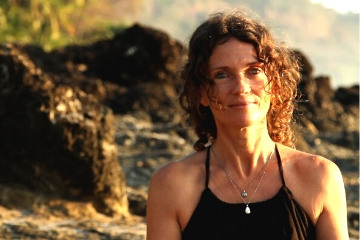
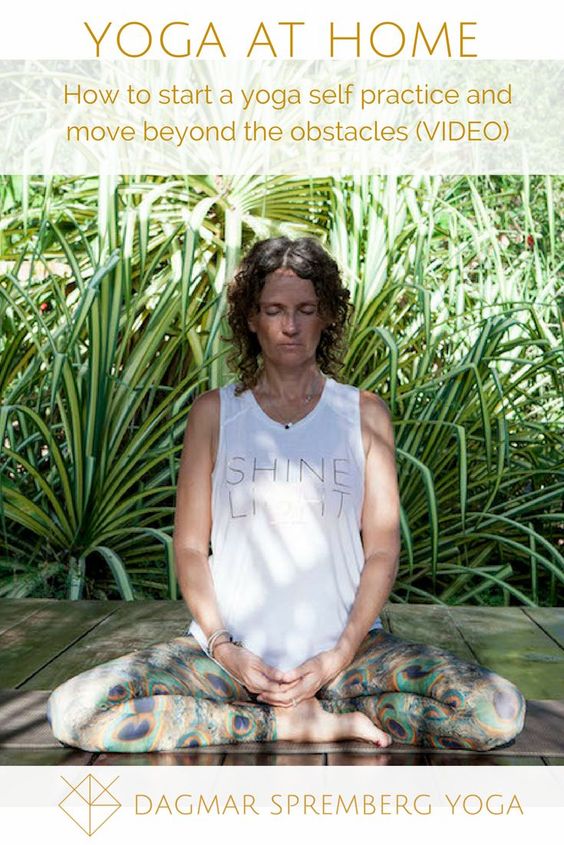
Watch this video of Dagmar Spremberg, she shares tips and tools to start a self practice at home: how to move past the 2 main obstacles and create a sacred space to do your practice. She talks about the benefits of practicing yoga at home and the tools that have helped her to keep the practice inspiring and ongoing. Dagmar is the founder and owner of Montezuma Yoga in Costa Rica She teaches classes and retreats worldwide and is also well known for her yoga videos on YouTube that have over 1 million views. She happily shares her tips and tools to inspire your own practice. For more infos please visit: http://dagmarspremberg.com. If you want you can practice with her in her Youtube channel MontezumaYoga.

Create Space for a dedicated Home Practice

You don’t need fancy props or don’t even need a mat. I usually create space in my living room if I want to practice a vinyasa flow to have more space. If I want to practice Yin Yoga I usually do in my bedroom because it gives me a sense of coziness. First I light some candles and some palo santo steak. I use essentials oils as lavander or breathe of doTerra to help me relax and breathe more deeply. As props you can use some pillows, towels and big book if you don’t have a block. I love to practice with music. Music often leads my practice. I create few playlists in Spotify: Yoga practice from the Heart, Yoga Gentle flow, ViviYoga 60″ flow. Remember the most important part is show up for yourself.

You can enroll for free in Yoga Girl Community challenge for self-care and peace of mind.

How to participate? Create a free account on yogagirl.com and follow @yoga_girl and @yogagirlofficial on Instagram for each daily challenge. “The challenge is simple – we commit to practicing yoga, every day for 30 days. Each day comes with a specific theme – a focus for the day; a vibration, a practice, a task, or a certain energy to bring a sense of purpose into your day, and each day is paired with a yoga class available for free, for all, here on yogagirl.com.

If you’re brand-new to yoga you can practice with my favorite Youtube yoga channel for free:

Yoga With Adriene is my favorite, her mission is to reach as many people as possible with high-quality free yoga videos. Check out her Yoga For Beginners and Foundations of Yoga series. These are designed to give you the tools to build a happy, healthy at home yoga practice. If you’re ready to work up a sweat, try our Yoga for Weight Loss or Total Body Yoga playlists. This community rocks. https://www.youtube.com/user/yogawithadriene

I hope you like this post, I wrote what I am doing these days to try to raise my vibrations as a mum and as a teacher. I am working on some videos and audio too. So stay tuned for more. If you need write to me familyyogacamp@gmail.com or DM me at @theviviyoga. I will share more.

Daily Rituals to keep you Calm


Routines are an important part of daily life — from ensuring we’re properly caffeinated before work to making sure we stay in shape, have clean clothes, etc. But in these surreals days that we have to stay home habits like practicing yoga, cooking in, self-care, and getting enough sleep may take another meaning. We need time to be with our soul to listen and discern all we are moving through. These days can jump-start new habits and set you on a long term wellness plan that reprioritizes the important stuff: sleep, exercise, diet, and the relationship you have with yourself.

“Give yourself a medal, you got out of bed, you’re on your mat. You woke up, you opened your eyes. I am here, I am alive, I am present, I am in my body. Feel what you need to feel but don’t get stuck in it.”

Jen Pastiloff

HOW CAN YOU FIND YOUR FLOW?

SETTING INTENTION

It is a start, but how do you follow through? The answer is this: cultivate a well-crafted, beloved daily ritual, like an inner retreat you take every day.

IF YOU CAN WORRY YOU CAN MEDITATE.

At the beginning of February, I set my intention to start my day with 10 or 20 minutes meditation: sit down and do it in a way that feels really delicious to me. I don’t make it into a chore or a new source of anxiety.
Make your sitting practice delightful, and you’ll find yourself doing it consistently. Wrap yourself in a soft blanket or sweater, sit in a corner you love with belove all around you, and make sure you won’t be disturbed.Sit for 5 minutes or 20 minutes, take a few grounding deep breaths, root your body down to feel the support of the ground and sit up straight. Most important, you can experiment with various meditation styles and types to pick the one you love the best. When your thoughts are moving even a tiny bit slower than normal, as they do when you focus them on the count of your breath or a mantra, you create space for inspiration. Listen to the space between your breath and find your own ‘mantra’

WRITING

Writinig is the most powerful creativity, ritual I know. When you journal or do morning pages or free-writing over time, you’ll begin to hear your own inspiration and inner guidance with incredible clarity. A daily writing practice gives you a place to go every day of your life to deposit your dramas, grudges and resentments, so you become more resilient and less stressed, less anxious. Your thoughts get clearer. You will solve problems with less effort. You will become better and better at spotting opportunities. You’ll soon figure out what Julia Cameron said: “free-writing is like a spiritual windshield”.

AFFIRMATIONS


When we have inner roadblocks in the form of long-practiced limiting, fear-based, doubtful or negative thoughts. I encourage you to practice a set of affirmations that align with positive thoughts and beliefs we need to instill in our mental programming in order to sidestep the inner conflicts and inner roadblocks of negative thinking. The only way to give your new, powerful, positive thoughts a real chance at taking priority over the old ones is to practice the new thoughts intentionally and daily, building an affirmation practice into your daily ritual. If you like you can create a visual board as a reminder. In mine I wrote and paste to my fridge:

I am worthy, I am enough, I am valuable, I am loved, I matter.

MOVEMENT

The movement element of your daily ritual should be a few moments of movement to turn on your chakras, warm your body and start engaging it with the physical world around you as you start your day: a grounding daily ritual is not necessarily the same as your workout or even your yoga practice. I personally love to do: dance as nobody is watching and a brief brisk walk outside. Then I do my yoga practice, a bike ride for the day.


Now, it’s your turn! 

Cultivating Intuition

How I cultivate my Intuition during the last 5 weeks with Dagmar Spremberg.

It was the beginning of November 2019, I was looking for a mentor, the inspiration for my work and my life, so I found a free 5-DAY Yoga challenge : INGNITE YOUR SPARK by Dagmar Spremberg. The moment I received the first e-mail I felt on the right path, finally! I enjoyed the next 5 days with her simple, yet powerful tools to deepen my practice and quiet my busy mind. She shared with a group some simple steps to take to show up for ourselves and it was very powerful for me. It wasn’t complicated and not even 60 min per day! It was exactly as she wrote to me! At the end of the first email she wrote a “BONUS: I will honor the most active person in the challenge with a free membership to my paid online yoga retreat program Cultivating Intuition, which will run next in January 2020. So share your experience, ask questions, comment on other people’s post the next 5 days and enjoy this special opportunity to be a part of my 5-week program to create lasting change in your life!
I won! It was the best way to end my 2019 and to start the 2020!!

Now after the 5 weeks of CULTIVATING INTUITION by Dagmar Spremberg I would like to share what really changed in my life after these amazing weeks with Dagmar and the other beautiful friends I found. We are a very international group of women, that’s what I liked the most. The online yoga retreat program was very easy to manage with my daily life. Every week she gave us a buffet of practices to choose from and integrate in our life: a meditation, a yin practice, a video of a vinyasa practice recorded on the beautiful beach of Montezuma in Costa Rica, an homework, a weekly call with her on a facebook and a tip to spark our week. It was really magical and helped me soo much. When I started I was feeling insecure and scared about what’s going on in my life, but I was not alone in my practice anymore. I was safe and ready to be inspired by my practice and supported by the community. I spent my free time practicing Yin yoga and journaling. I start to meditate everyday. Some day I felt lost but after my practice of yoga and meditation, I felt better. My yoga practice grew as my ability to listen to my body and move my energy as I need to feel better again; with no homeopathy, no cream to smooth my skin only Me. At the end of the retreat I had to make a video about my mission in life: about what’s really important for me and I did it. This retreat gave me a final push to get out of my comfort zone and ask for more help in other part of my life. Now I have new tools that are already helping me in my daily life to feel less damage or weird.

With this post I what to thank you Dagmar for this GIFT. I asked to the universe for help and you gave me this experience that I will never forget.

You can find all the information about Dagmar here in her website: https://www.montezumayoga.com/

Design a site like this with WordPress.com
Get started